
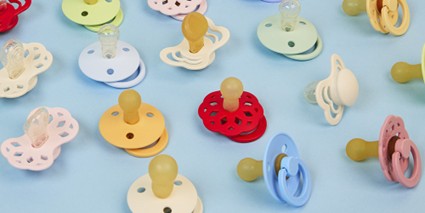
BIBS Pacifier Guide
How Often Should I Replace the Pacifier?
Pacifiers are an everyday essential - used for soothing, sleep, and comfort. But because they’re used so often, they naturally wear over time. Regular replacement is important to ensure your baby’s safety, hygiene, and comfort.
Here’s everything you need to know.
Latex Pacifiers
Natural rubber latex is a 100% natural material. Unlike silicone, it is affected by sunlight, high temperatures, and moisture - all of which can speed up the aging process.
For optimal safety and hygiene, natural rubber latex pacifier nipples should be replaced every 4–6 weeks.
Keep an eye out for:
- Swelling
- Discolouration
- Stickiness
- Loss of stability
- An enlarged nipple
If the nipple appears enlarged or feels softer than usual, it has likely been in use too long and should be replaced immediately.
Silicone Pacifiers
Silicone nipples are a great choice for parents looking for a hypoallergenic material that maintains its shape over time. Silicone is more resistant to temperature changes and environmental exposure than latex.
However, for safety and hygiene reasons, silicone pacifiers should also be replaced every 4–6 weeks.
Check regularly for:
- Changes in surface texture
- Changes in size or shape
- Any rupture or tear in the material
- Brittleness or weakness
If you notice any differences, replace the pacifier straight away.
The Pull Test – A Quick Safety Check
- Before each use, perform a simple pull test:
- Stretch the nipple in all directions.
Inspect it carefully.
Look for:
- Changes in the surface
- Changes in size
- Change in shape
- Ruptures or tears
- Brittleness or stickiness
- An enlarged nipple
At the first sign of damage or weakness, discard and replace the pacifier.
Why Isn’t There an Expiry Date?
Pacifiers are exposed to daily wear and tear. Sunlight, heat, saliva, sterilising and regular use all affect the integrity of the materials — sometimes even before a printed expiry date might suggest.
That’s why BIBS includes a traceable batch number on their packaging instead of an expiry date. We recommend performing a quick pull test and visual check before every use to ensure safety.
When It’s Time to Say Goodbye – Weaning Tips
Giving up the pacifier is a big milestone. Here’s how to make it a positive experience:
1. Choose the Right Moment
Avoid major transitions like moving house, potty training, or welcoming a new sibling. Pick a calm, stable time.
2. Take It Step by Step
From around 12 months, begin reducing daytime use. Gradually limit it to sleep times only, then phase it out completely.
3. Offer Comfort & Make It Special
Replace the pacifier with comforting alternatives - a favourite soft toy, bedtime story, or extra cuddles.
Around 2–3 years of age, gently explain why it’s time to stop using the pacifier and create a small “goodbye” ritual to celebrate the milestone. And don’t forget to praise their efforts along the way.
How Often Should I Replace the Pacifier?
Pacifiers are an everyday essential - used for soothing, sleep, and comfort. But because they’re used so often, they naturally wear over time. Regular replacement is important to ensure your baby’s safety, hygiene, and comfort.
Here’s everything you need to know.
Latex Pacifiers
Natural rubber latex is a 100% natural material. Unlike silicone, it is affected by sunlight, high temperatures, and moisture - all of which can speed up the aging process.
For optimal safety and hygiene, natural rubber latex pacifier nipples should be replaced every 4–6 weeks.
Keep an eye out for:
- Swelling
- Discolouration
- Stickiness
- Loss of stability
- An enlarged nipple
If the nipple appears enlarged or feels softer than usual, it has likely been in use too long and should be replaced immediately.
Silicone Pacifiers
Silicone nipples are a great choice for parents looking for a hypoallergenic material that maintains its shape over time. Silicone is more resistant to temperature changes and environmental exposure than latex.
However, for safety and hygiene reasons, silicone pacifiers should also be replaced every 4–6 weeks.
Check regularly for:
- Changes in surface texture
- Changes in size or shape
- Any rupture or tear in the material
- Brittleness or weakness
If you notice any differences, replace the pacifier straight away.
The Pull Test – A Quick Safety Check
- Before each use, perform a simple pull test:
- Stretch the nipple in all directions.
Inspect it carefully.
Look for:
- Changes in the surface
- Changes in size
- Change in shape
- Ruptures or tears
- Brittleness or stickiness
- An enlarged nipple
At the first sign of damage or weakness, discard and replace the pacifier.
Why Isn’t There an Expiry Date?
Pacifiers are exposed to daily wear and tear. Sunlight, heat, saliva, sterilising and regular use all affect the integrity of the materials — sometimes even before a printed expiry date might suggest.
That’s why BIBS includes a traceable batch number on their packaging instead of an expiry date. We recommend performing a quick pull test and visual check before every use to ensure safety.
When It’s Time to Say Goodbye – Weaning Tips
Giving up the pacifier is a big milestone. Here’s how to make it a positive experience:
1. Choose the Right Moment
Avoid major transitions like moving house, potty training, or welcoming a new sibling. Pick a calm, stable time.
2. Take It Step by Step
From around 12 months, begin reducing daytime use. Gradually limit it to sleep times only, then phase it out completely.
3. Offer Comfort & Make It Special
Replace the pacifier with comforting alternatives - a favourite soft toy, bedtime story, or extra cuddles.
Around 2–3 years of age, gently explain why it’s time to stop using the pacifier and create a small “goodbye” ritual to celebrate the milestone. And don’t forget to praise their efforts along the way.